The first time I pushed the painting cart into Stardew, the graffiti on the wall was playing cat and mouse games with the municipal cleaning team. This Swedish game turns the whole town into a breathing art battlefield, and every wall tells the story of struggle and survival.
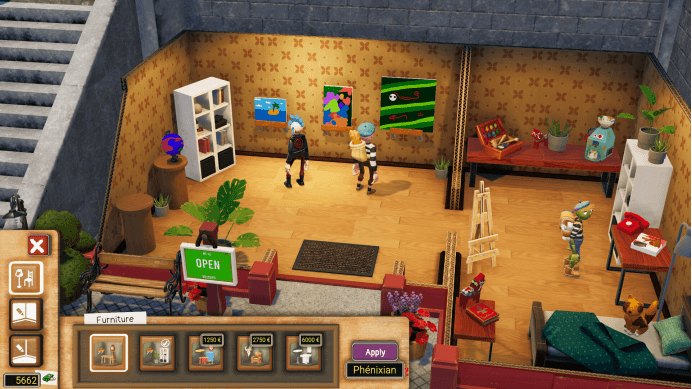
I played the role of Passpartout, a bankrupt artist, with the goal of winning back the confiscated studio. But the core of the game is not the sales system, but the cycle of creation and destruction. After completing a street graffiti, I need to avoid police patrols and observe the reaction of residents at the same time — conservatives will take photos to report angrily, while young people may take short videos to spread their works.
The game cleverly integrates the history of European street art. In the “Template Spray Painting” level, the operation method restores Banksy’s quick operation; while the “giant mural” task requires cooperation with community residents like JR. As the progress progresses, the player’s graffiti will trigger different events, from community debates to municipal hearings, each creation becomes a social experiment.
The design of the economic system is particularly exquisite. Players can accept commercial commissions to beautify the exterior walls of coffee shops, but they will lose their credibility on the street; if they insist on pure artistic creation, they will face the threat of hunger. The most ironic thing is that when the work became popular on social media in the game, the gallery owner who had expelled me would take the initiative to buy it.
After customs clearance, I revisited Stardew and saw the “artistic heritage” generated by AI — I once painted that the walls of the children’s library were full of virtual vines, and the graffiti protesting against the demolition became an official historical plaque. The most touching thing about this work is that it proves the shortest art form, but may leave the most lasting echo.